
05/14/2026
Ghana’s Energy Transition Must Balance Green Ambition With Supply Security

Ghana’s energy future is being shaped by two powerful forces: the global transition toward cleaner energy and the immediate need for reliable, affordable supply. The Ministry of Energy and Green Transition continues to guide policy formulation, monitoring and sector coordination, while Ghana’s broader regulatory environment covers petroleum, electricity, renewables and power-market operations. The challenge for...

05/05/2026
Fertilizer, Food and Industrial Inputs: Why Energy Shocks Hit Agriculture and Manufacturing

Energy shocks do not stop at the fuel pump. They move into fertilizer, food production, manufacturing, mining and construction. When energy prices rise, the cost of producing and transporting agricultural inputs increases. This can affect fertilizer, irrigation, cold storage, trucking and food processing. The World Bank’s warning that energy prices are projected to rise sharply...

05/05/2026
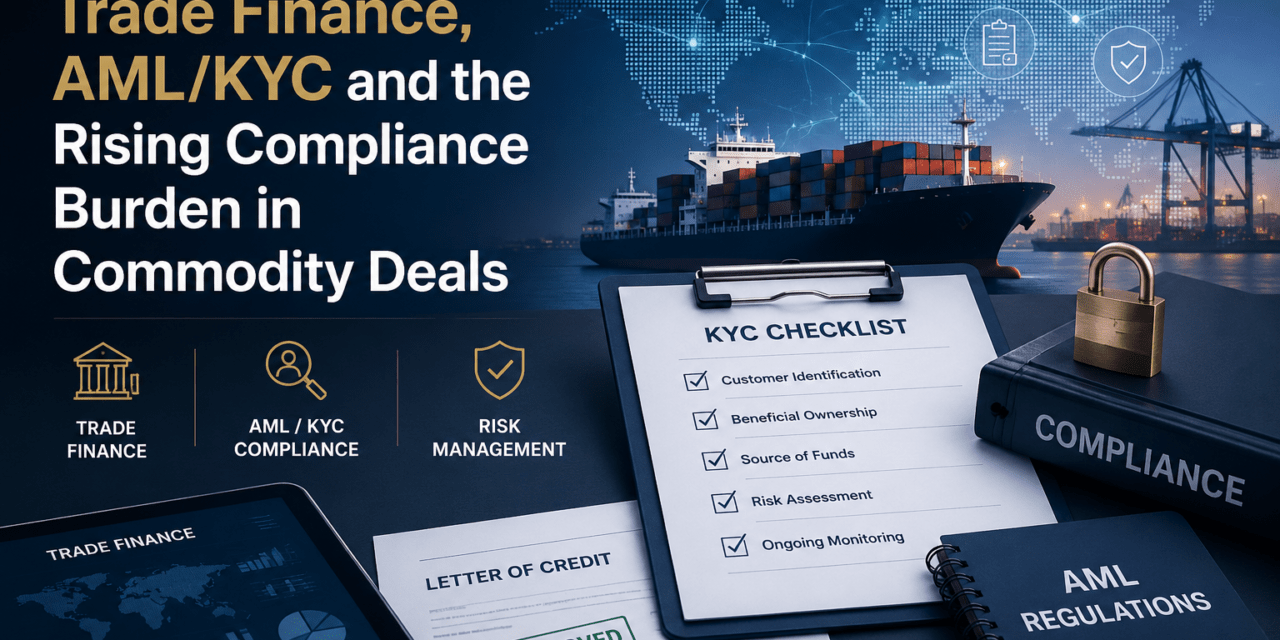
Trade Finance, AML/KYC and the Rising Compliance Burden in Commodity Deals

Commodity and petroleum transactions increasingly require stronger compliance discipline. In conflict-sensitive markets, banks, insurers, buyers and logistics partners pay closer attention to sanctions risk, origin verification, beneficial ownership, payment flows and documentation integrity. This is especially true when goods move across multiple jurisdictions or involve high-value energy, gold, minerals, fuel or agricultural commodities. Trade finance...

05/04/2026
Maritime Insurance, Contract Clauses and Force Majeure in a Volatile Shipping Era

Shipping disruption has made contract language more important. Red Sea diversions, Middle East conflict risk, higher fuel costs and port congestion can all affect delivery schedules and costs. If contracts do not clearly define responsibilities, a profitable trade can turn into a dispute. Companies should review clauses covering force majeure, war risk, delay, demurrage, insurance,...