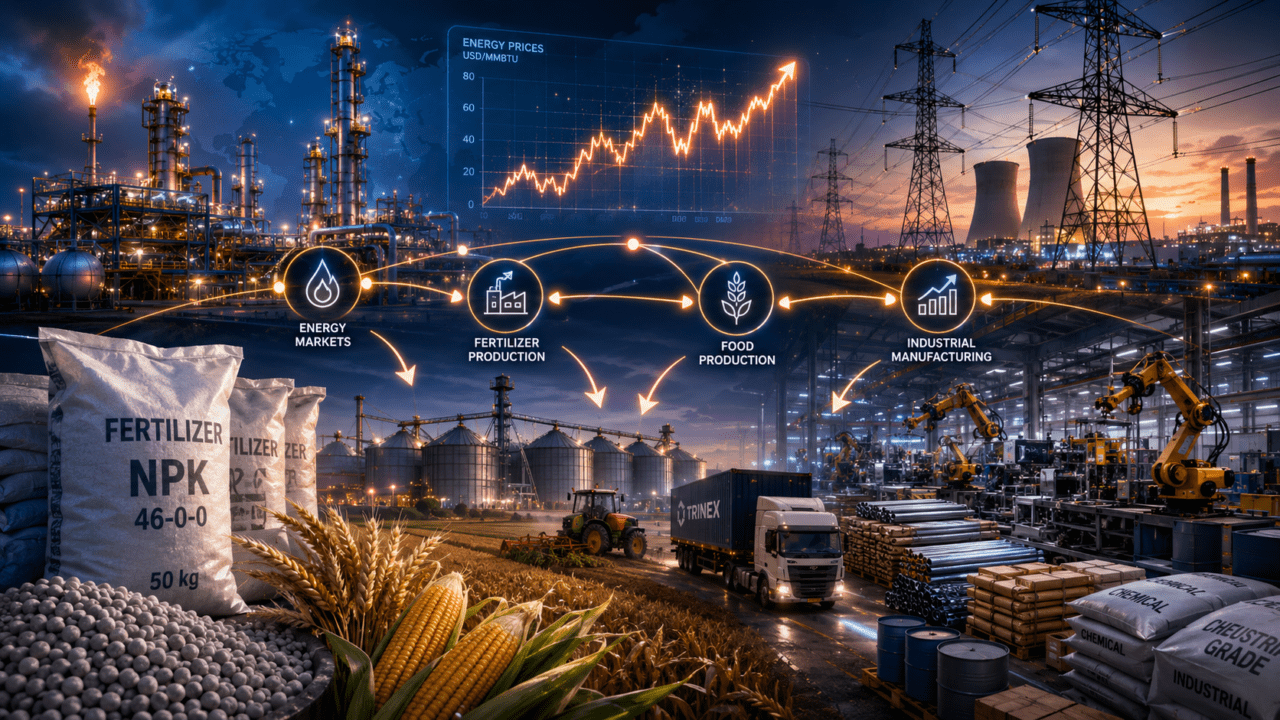
Energy shocks do not stop at the fuel pump. They move into fertilizer, food production, manufacturing, mining and construction. When energy prices rise, the cost of producing and transporting agricultural inputs increases. This can affect fertilizer, irrigation, cold storage, trucking and food processing.
The World Bank’s warning that energy prices are projected to rise sharply in 2026 is therefore a concern for African agriculture and industry. Higher energy costs can weaken margins for farmers, food processors, manufacturers and distributors. The effect can be especially painful when businesses cannot immediately pass higher costs to customers.
This creates a strategic role for supply-chain planning. Companies need better procurement calendars, pooled purchasing opportunities, alternative suppliers, storage planning and early finance arrangements. Waiting until prices spike can leave businesses exposed to shortages or expensive emergency buying.
For Ghana, the issue links to industrial policy. Whether the focus is agriculture, minerals, aluminium, energy or logistics, local value addition depends on stable inputs. A factory or processing plant cannot operate efficiently if fuel, power, transport or imported materials arrive unpredictably.
TRINEX can use this environment to support clients with commodity sourcing, logistics planning and commercial advisory services. The key message is resilience: businesses must move from reactive buying to structured supply management. In a volatile energy world, the strongest companies will be those that plan their inputs before the crisis reaches their warehouse.