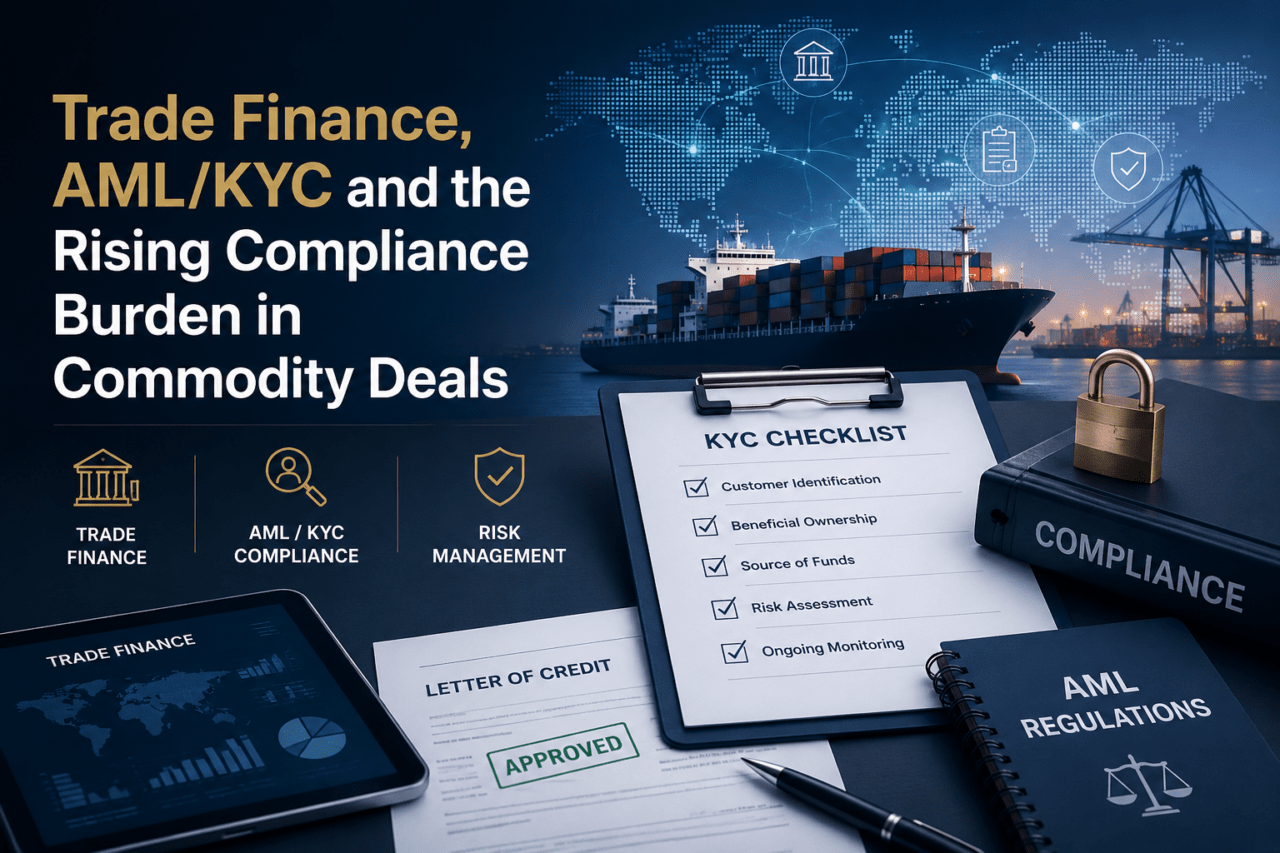
Commodity and petroleum transactions increasingly require stronger compliance discipline. In conflict-sensitive markets, banks, insurers, buyers and logistics partners pay closer attention to sanctions risk, origin verification, beneficial ownership, payment flows and documentation integrity. This is especially true when goods move across multiple jurisdictions or involve high-value energy, gold, minerals, fuel or agricultural commodities.
Trade finance instruments such as Letters of Credit, Standby Letters of Credit and Bank Guarantees can support international transactions, but they also create documentation obligations. If the documents do not match the instrument terms exactly, payment can be delayed or refused. If the parties are not properly verified, banks may reject or freeze transactions.
The Middle East conflict adds another layer of caution. Even companies not directly trading with sanctioned parties may face route, vessel, insurance or counterpart risk. A shipment can become complicated if a vessel, port, intermediary or financing bank falls under enhanced scrutiny.
The right response is to build compliance into the deal from the beginning. This means counterparty screening, supplier verification, product-origin documentation, contract clarity, payment-term review, vessel and route checks, and careful recordkeeping. Compliance should not be seen as a cost; it is a protection against lost cargo, delayed payment and reputational damage.
TRINEX’s financial and commercial services can stand out by helping clients structure transactions properly. In 2026, trade finance expertise is not only about arranging payment. It is about making sure the transaction is bankable, compliant and executable.